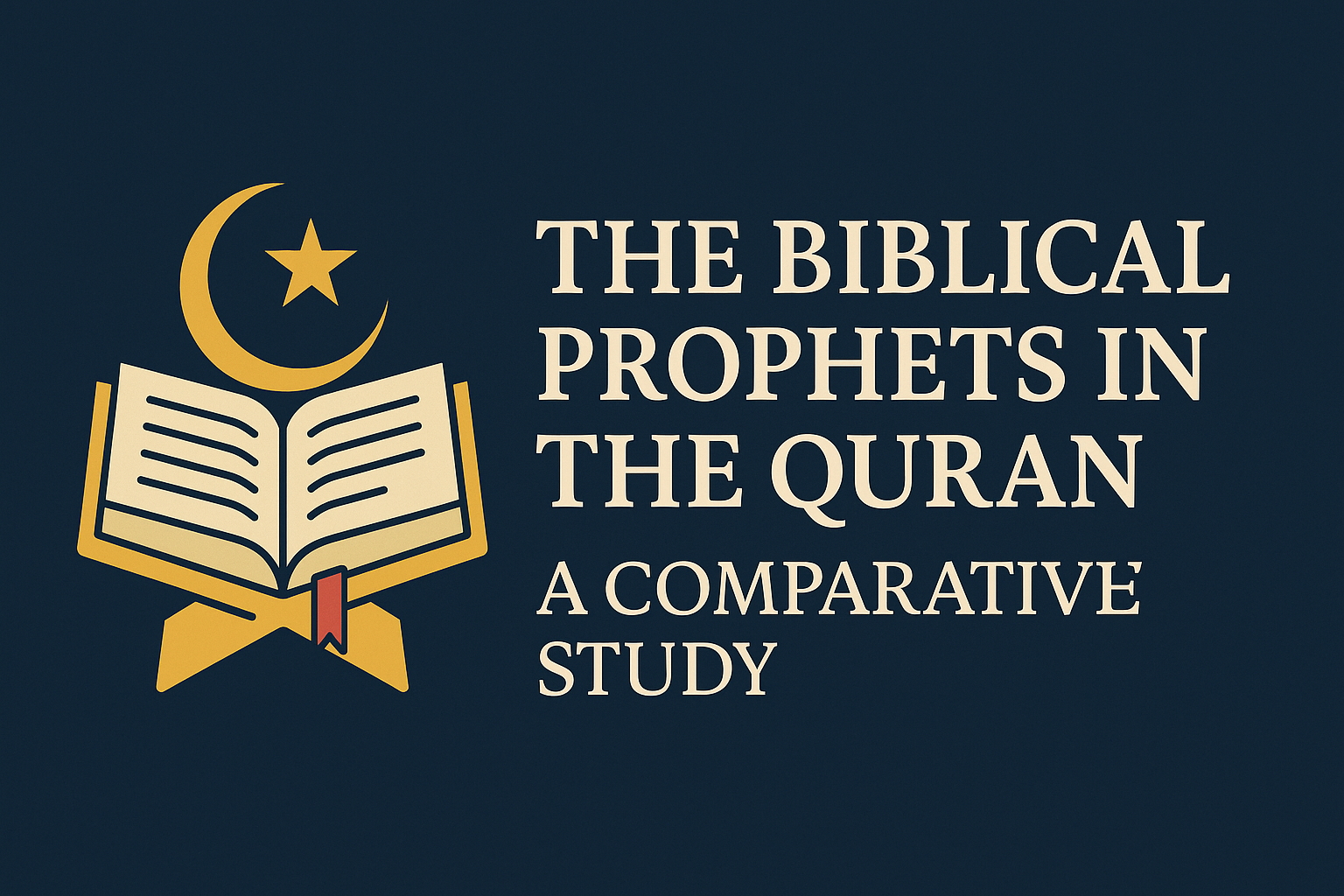
The Quran is not only the final revelation for Muslims but also a continuation and confirmation of earlier scriptures. One of the fascinating aspects of the Quran is its discussion of the Biblical Prophets, many of whom are central figures in Judaism and Christianity. These stories bridge the Abrahamic faiths, highlighting shared values, divine guidance, and timeless lessons.
This blog will explore how the Quran presents Biblical Prophets, clarify differences, and direct you to free resources such as Volume Two: The Biblical Prophets in the Quran.
📘 Download Free PDF: The Biblical Prophets in the Quran
🛒 Buy on Amazon: Click Here
Shared Lineage of Prophets
The Quran acknowledges many of the same prophets mentioned in the Bible and Torah, emphasizing the unity of divine guidance. These include:
- Adam (Ādam) – The first human and prophet.
- Noah (Nūh) – Preacher of faith and perseverance.
- Abraham (Ibrāhīm) – Father of monotheism.
- Moses (Mūsā) – Leader, law-giver, and prophet of the Israelites.
- Jesus (ʿĪsā) – Honored prophet and Messiah, but not divine in Islam.
The Quran frequently reminds believers that these prophets were chosen by Allah to guide their people.
Adam: The First Prophet
In both the Bible and the Quran, Adam is the first human created by God. The Quran describes how Allah taught Adam the names of all things and made him a caretaker of the Earth. Unlike in some Biblical interpretations, Islam rejects the concept of “original sin,” teaching instead that Adam repented and was forgiven.
Noah: A Preacher of Patience
The story of Noah (Nūh) is central in both traditions. The Quran emphasizes his role as a persistent preacher, warning his people for centuries before the flood. His ark symbolizes faith, obedience, and salvation.
Abraham: Father of Monotheism
Known as Ibrāhīm in the Quran, Abraham is regarded as the patriarch of monotheism. Both the Bible and the Quran describe his trials, including his test of faith with his son. In Islam, this son is understood to be Ismail (Ishmael), not Isaac, as often taught in the Bible. His unwavering submission is commemorated annually during Eid al-Adha.
Moses: Liberator and Law-Giver
The Quran mentions Moses (Mūsā) more than any other prophet. His mission to free the Israelites from Pharaoh and deliver God’s commandments forms a central narrative. While the Bible emphasizes the Ten Commandments, the Quran highlights his perseverance, miracles, and divine support.
Jesus in the Quran
One of the most profound parallels is with Jesus (ʿĪsā). While Christians view him as the Son of God, Islam regards him as a revered prophet and Messiah, born of the Virgin Mary (Maryam), without a father. The Quran honors his miracles but denies his crucifixion, stating instead that Allah raised him up.
The Unifying Message
While there are theological differences between the Bible and the Quran, the shared reverence for prophets highlights the common spiritual heritage of Jews, Christians, and Muslims. The Quran stresses that all prophets preached the same essential truth: worship One God and live righteously.
Quran 2:136: “We believe in Allah and that which has been sent down to us and that which was sent down to Abraham, Ishmael, Isaac, Jacob, and the tribes, and that which was given to Moses and Jesus, and that which was given to the prophets from their Lord. We make no distinction between any of them, and to Him we submit.”
Free Resources to Study More
To dive deeper into this fascinating comparative study, download your free copy:
Explore additional related volumes:
- Volume One: The Essence of Islam – Download Free
- Volume Three: Pre-Islamic Arabian Prophets and the Final Prophet Muhammad – Download Free
Conclusion
The Quran’s portrayal of Biblical Prophets reflects Islam’s emphasis on continuity, respect, and shared divine guidance across Abrahamic faiths. By studying these stories, readers can appreciate the connections that unite billions of believers worldwide.
📥 Start your journey today by downloading free Islamic books at thequranforfree.com.